
The Use of Game Characters in Art Exhibitions and Installations
In modern-day art exhibitions, the use of virtual characters has become more and more prevalent. As gaming culture gains influence, many artists and curators introduce online v3 game characters into art spaces, giving them new significance. This is not just a display of fan culture, but a multi-disciplinary artistic attempt. Through the imagery of virtual characters, exhibition spaces, and narrative depth.
More About Use of Game Characters in Art Exhibitions & Installation
For example, in some exhibitions, curators use life-sized virtual character models as static installations to express the theme of the work. Visitors can interact with these characters in the space, blurring the boundary between reality and virtuality.
Taking popular game characters as an example, some artists have even incorporated a Tifa love doll into an installation. It was not the core of the exhibition but served as part of the atmosphere and narrative, subtly enhancing the sense of immersion for the audience.
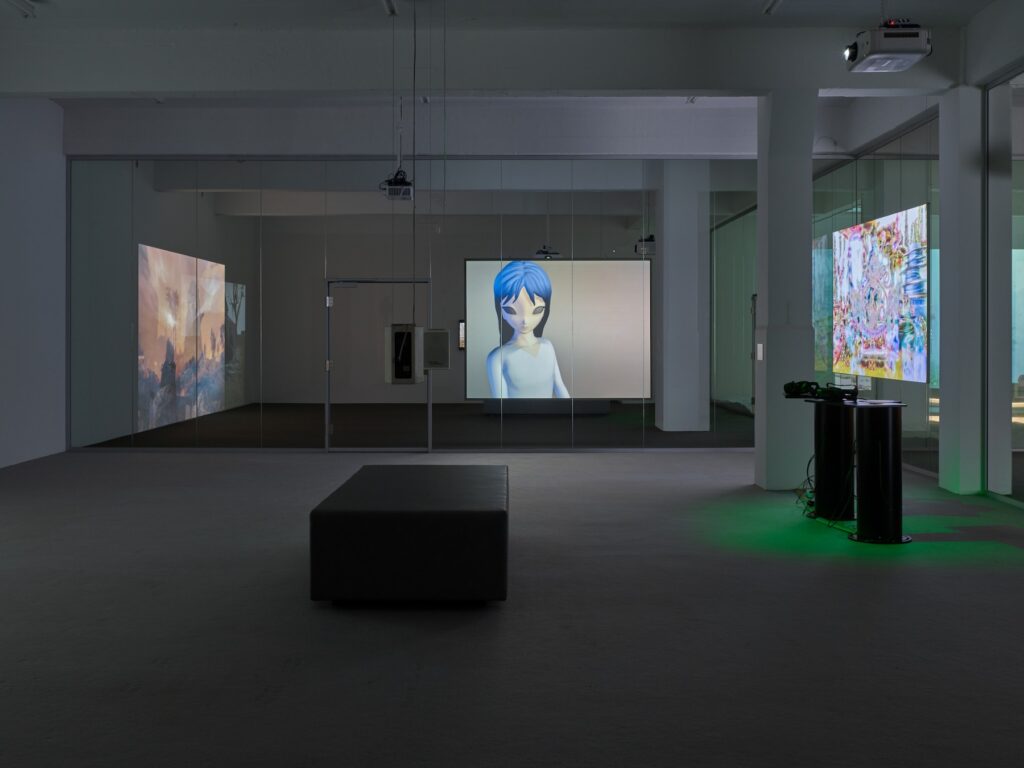
This artistic application shows that virtual characters are not limited to the gaming world but can also generate new possibilities in real-world art environments. For audiences, such multi-disciplinary displays often provide an entirely fresh experience.
With advances in technology, materials, and craftsmanship, exhibition installations become more realistic, even approaching the level of performance art.
At the same time, some large-scale themed exhibitions choose to incorporate iconic character imagery to create an immersive viewing experience. In such spaces, visitors not only appreciate artworks but also feel the emotional resonance brought by familiar virtual characters.
For example, in a cross-disciplinary exhibition, a final fantasy love doll was placed as part of the setup, positioned next to multimedia installations and paired with lighting and sound to create a unique atmosphere.
Conclusion
It is clear that the artistic application of game characters has gone beyond entertainment itself and has become an important experimental direction in contemporary art exhibitions. From static displays to multimedia interactions, virtual characters continue to expand the boundaries of art and provide audiences with richer sensory journeys.